Seaward adds IV curve tracing to PV:1525 range for rooftop solar commissioning
By Staff Writer
Seaward Electronic Ltd. has expanded its PV testing offering with the launch of the PV:1525-IV, introducing integrated IV curve tracing capability and completing the PV:1525 Series: a range of PV installation testers for 1500 V systems that combines electrical commissioning tests and advanced performance analysis within a single platform.
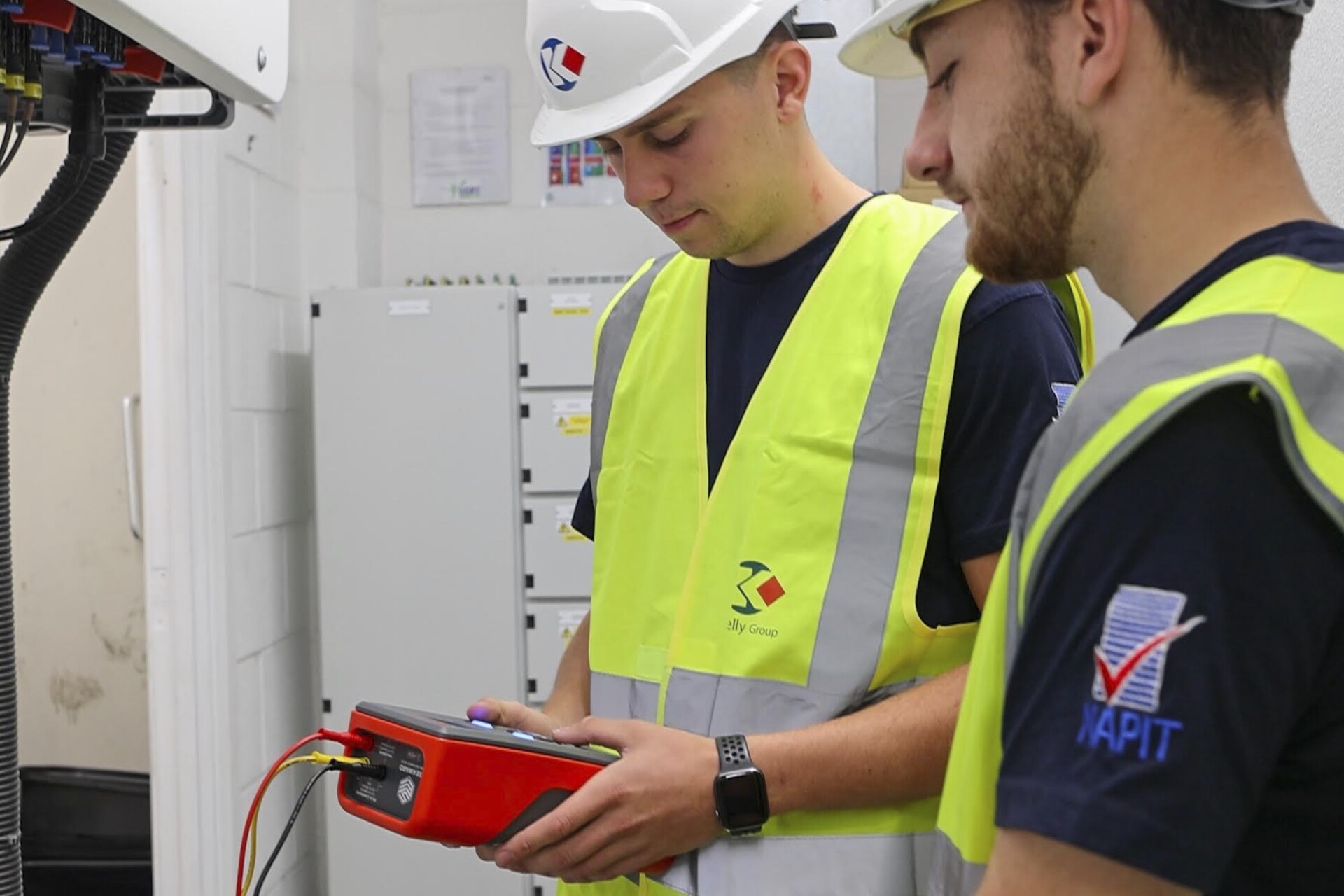
Designed for residential and commercial rooftop solar systems, the PV:1525 Series brings together essential electrical commissioning tests within a streamlined, intuitive workflow. The addition of IV curve tracing now enables installers and O&M teams to move seamlessly from core safety testing through to deeper system performance analysis using the same instrument.
The Series supports open-circuit voltage (Voc) measurements up to 1500 V DC, short-circuit current (Isc) up to 25 A, insulation resistance testing to 1500 V DC, and continuity measurements. This makes it well suited to today’s higher-voltage residential and commercial rooftop systems, where traditional 1000 V tools may no longer meet installation requirements.
The PV:1525-IV extends the range with integrated IV curve tracing, allowing installers and O&M professionals to assess real-world module and string performance directly during commissioning. Built around the same intuitive workflow as the core platform, the tester gives users the flexibility to move from rapid commissioning through to more detailed performance diagnostics without additional equipment.
Nathan Barwell, Head of Product Management at Seaward, said: “Installers need tools that work the way they do on site. With the PV:1525 Series, our focus has been on simplifying PV commissioning, reducing the number of tools required, and giving installers confidence that their testing is complete, compliant and ready for handover.”
“With IV curve tracing integrated, the PV:1525-IV allows installers to assess module and string performance directly during commissioning,” added Barwell. “This makes it possible to identify deviations from expected performance at an early stage, without the need for additional test equipment.”
As rooftop solar systems continue to increase in voltage and complexity, commissioning teams face growing pressure to work quickly, safely and accurately on live installations. The PV:1525 Series has been developed to support a clear, logical testing workflow, helping reduce the risk of errors while keeping testing straightforward and repeatable across projects.
A key feature for installers is the tester’s integrated Dynamic Surge Suppression System, which actively manages inrush current during short-circuit testing. High inrush current can place stress on both equipment and installations. The PV:1525 Series monitors and suppresses inrush current, enabling safe testing on high-capacity PV arrays without risk of damage to the instrument.
Integrated Bluetooth connectivity enables real-time documentation of test results on site, while over-the-air updates help keep the instrument up to date without downtime, protecting long-term investment and ensuring access to the latest functionality.
Nathan Barwell added: “The PV:1525-IV has been recognised as a finalist in The smarter E Award 2025 for innovation in photovoltaics. This recognition reflects the development of a solution that combines on-site testing with detailed performance analysis.”
Field testing in high-irradiance environments including Malaysia, Panama and the Mojave Desert has confirmed the system’s suitability across a wide range of operating conditions.
The expanded PV:1525 Series is now available worldwide, including the new PV:1525-IV with integrated IV curve tracing.