Designing access platforms that work smarter – and safer
By
Access platforms may not always grab headlines, but they are central to keeping the UK’s infrastructure running – from utilities and telecoms to highways and local authorities. In high-risk, high-pressure environments, performance on paper is only part of the story. What matters just as much is how equipment performs in the real world: in confined streets, in poor weather and under the daily pressures faced by frontline operators.
In this guest article, Marc Paish, Managing Director at Aldercote, explores why safety, usability and operational efficiency must be designed in from the outset, and how engineering innovation can support both productivity and sustainability on site.
When designing access platforms, it’s easy to focus on the headline performance qualities – reach, load, stability, regulatory compliance. But in real-world operations, what also matters is how equipment behaves on an icy morning, on a tight street and with an operator who needs to get the job done safely and efficiently.
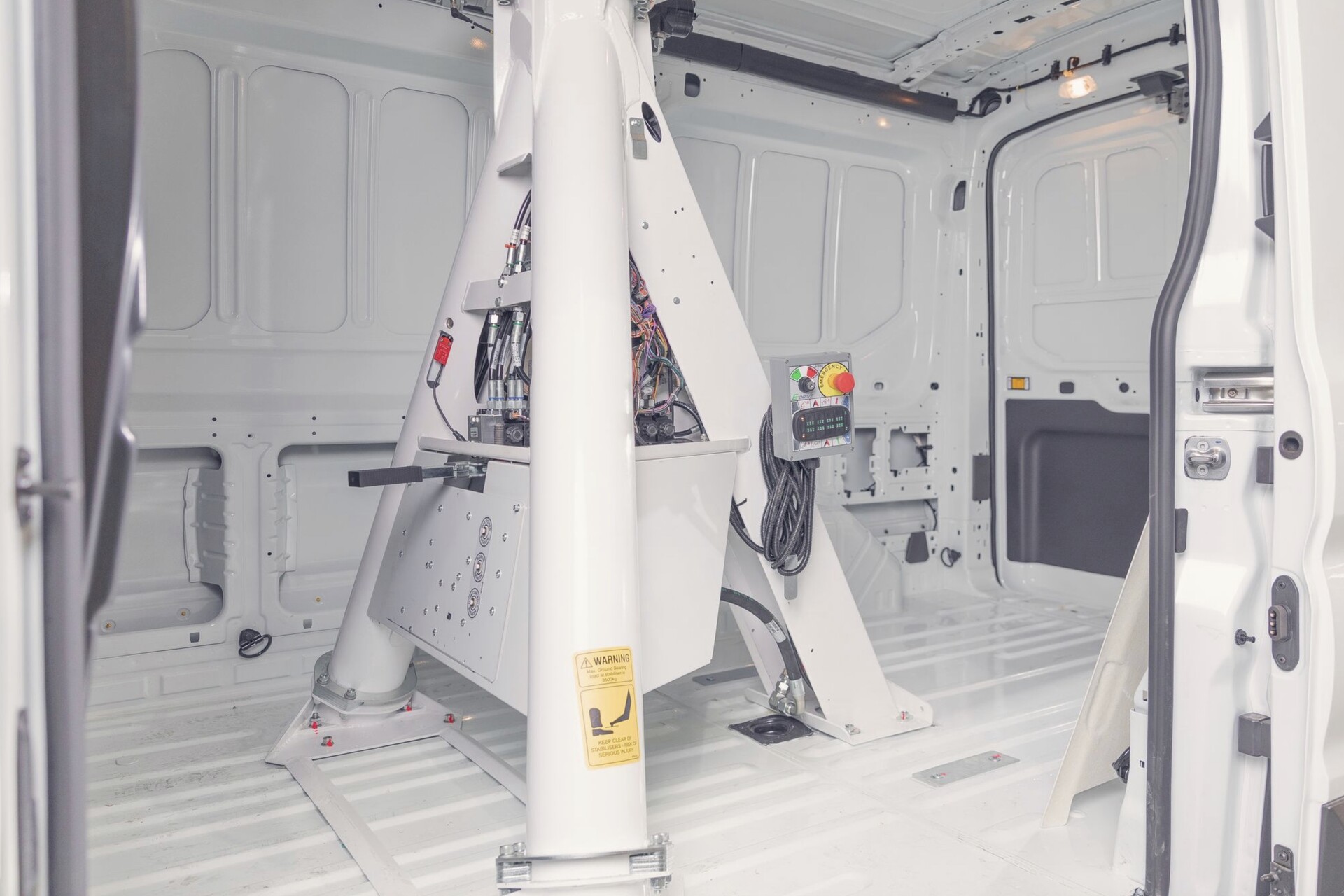
At Aldercote, our design philosophy is built on that everyday reality. Based in Hull, we design and manufacture vehicle-mounted access platforms used by utilities, highways teams, telecoms engineers and local authorities. These are demanding environments, where safety, uptime, sustainability and ease of use are necessities.
Designed-in safety
Safety isn’t an add-on. It has to be engineered in from the start. That principle underpins every Aldercote platform, from structural design through to control systems, with practical considerations and human behaviour an integral part of every stage of the process.This is why we talk with the people who use the equipment every day. These ongoing conversations have been invaluable in shaping our Elevated Protection suite of safety features. It includes SHIELD, a system that insulates the basket to protect operators from electrical hazards, and HOLD – Harness On Lanyard Protection – which alerts operators if they’re not clipped in.The third feature is RECOIL, a control system we developed to address the crush risk in confined spaces, which traditional joystick layouts can contribute to. RECOIL reverses joystick orientation so that if an operator is forced into the control panel, and therefore forced to push the joystick away from them, it immediately removes them from risk instead of increasing it.
Keeping fleets moving
Operational efficiency is inseparable from safety. Operators do demanding jobs, focusing on multiple things at once – so when equipment is unreliable, slow to repair or difficult to diagnose, the pressure intensifies. Because we manufacture our platforms in the UK, getting hold of spare parts is simple and quick, reducing downtime when issues arise. We also fit all Aldercote platforms with remote diagnostics as standard. Faults can be identified quickly, often without a site visit, so fixes are targeted and efficient.For operators, the pressure is reduced. For fleets, this means fewer unexpected stoppages, more predictable maintenance schedules and better use of vehicles.
Cutting costs without compromise
Reducing costs can also mean lowering environmental impact. For example, our E-Drive system allows platforms to operate with the vehicle engine switched off, using a battery which is recharged when driving. This significantly reduces fuel consumption, lowers noise levels and cuts carbon emissions, while also reducing engine wear. It goes without saying that the people living and working nearby, and the operators themselves, will appreciate the reduced noise and pollution.
Engineering that responds to change
As fleets transition toward lower-emission vehicles, access equipment is adapting too. We’ve developed platforms specifically for fully electric vehicles, ensuring that safety, performance and payload are maintained as technology evolves.Engineering never stands still. The most effective solutions come from listening, learning and adjusting. It means taking a real-world view and improving the details that matter most on site – because that’s where engineering delivers its greatest value.