Vauxhall electric vans to carry official ‘Made in Britain’ badge
By Staff Writer • Posted in Manufacturing
British-built Combo Electric vans will display the Made in Britain trademark as Vauxhall celebrates its manufacturing heritage and the UK automotive industry accelerates its transition to electrification.
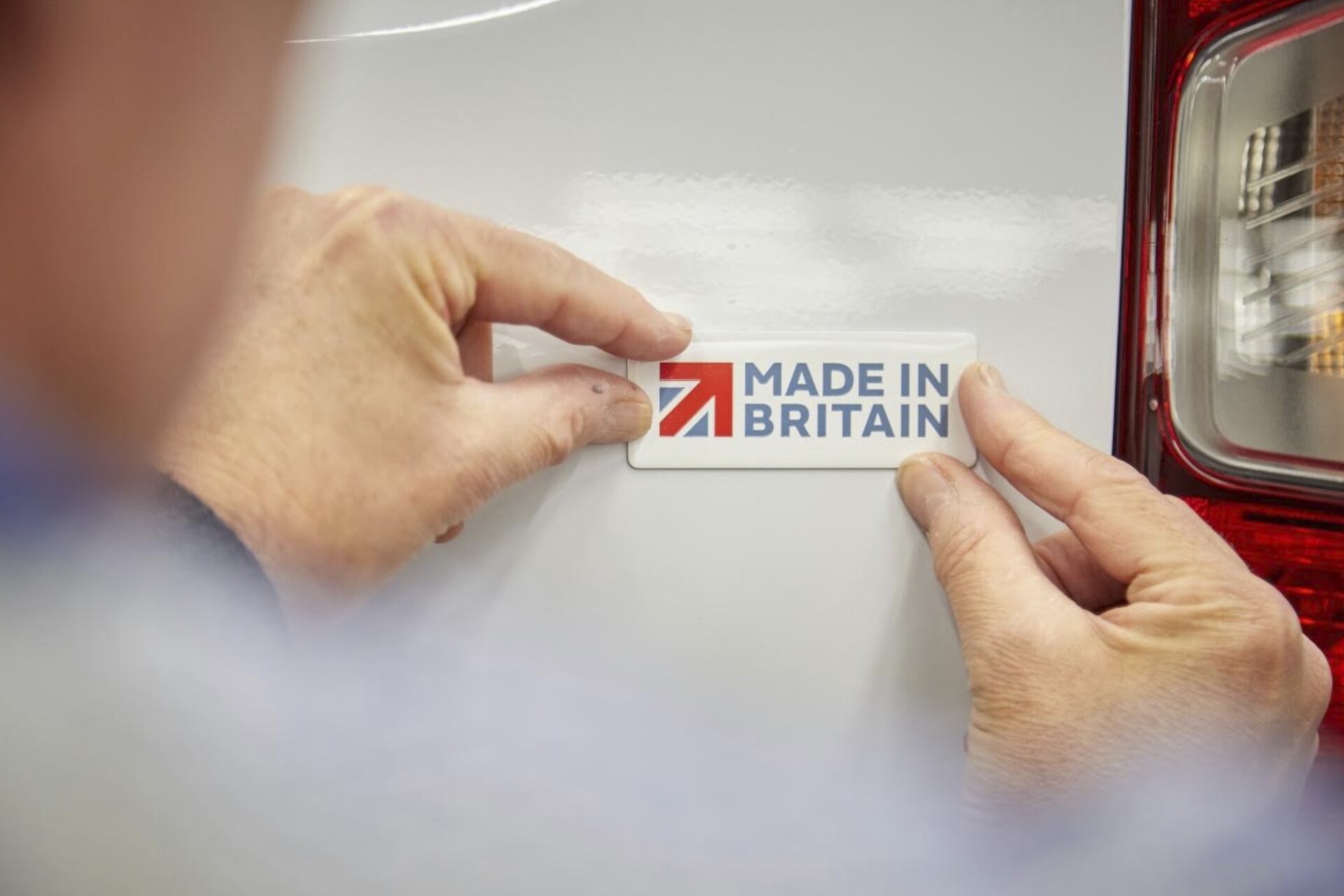
British automotive manufacturing is entering a new chapter as Vauxhall renews its partnership with Made in Britain, bringing the official trademark to electric vans produced at its Ellesmere Port factory in Cheshire.
The distinctive badge will appear on the rear of the British-built Combo Electric van as part of Vauxhall’s new ‘Brit’s What We Do’ campaign, highlighting the company's commitment to UK manufacturing.
It marks only the second time an automotive manufacturer has displayed the trademark, which previously featured on the Vauxhall Vivaro between 2016 and 2025.
The announcement follows a major investment in Vauxhall's Ellesmere Port facility, which became the UK's first EV-only automotive manufacturing plant following a £100 million transformation in 2023.
Manufacturing Vauxhall vehicles since 1964, the Cheshire plant now incorporates a battery pack assembly shop and a fully updated general assembly line designed to improve energy efficiency and productivity. Construction is also under way on a new assembly line for medium-sized vans.
The transformation includes an energy-efficient “4-wet” paint application process and an on-site combined heat and power (CHP) plant to reduce emissions. Longer-term plans to achieve carbon neutrality involve solar and wind power alongside the HyNet North West Hydrogen Pipeline.
Ellesmere Port's strategic coastal location also enables a new shipping route to mainland Europe, expected to remove an estimated 14,700 lorry journeys from the roads and deliver a 30% reduction in CO2 emissions.
With the first Made in Britain branded Combo Electric vans now rolling off the production line, the ‘Brit’s What We Do’ campaign places the factory and its workforce at the centre of Vauxhall's latest chapter in British manufacturing.
Eurig Druce, Vauxhall Managing Director and Stellantis UK Group Managing Director, said: “Vauxhall has a proud history of British manufacturing – the longest-running vehicle manufacturer continually producing vehicles in the UK – and has been mobilising the nation for more than 120 years. Our new ‘Brit’s What We Do’ campaign celebrates our British roots, our loyal customers, and our pride in British manufacturing, featuring the Made in Britain trademark on our Combo Electric van.
“Bringing the Made in Britain trademark to our Combo Electric van celebrates the expertise of the men and women from our Ellesmere Port plant and reflects the important role British manufacturing can play in the transition to electric vehicles, and our commitment to producing commercial vehicles here in the UK. We’re pleased to continue our relationship with Made in Britain as we look towards the next chapter of British automotive manufacturing.”
British manufacturing and consumer confidence
The renewed partnership also highlights the wider economic importance of domestic automotive production.
More than 188,000 people are directly employed in British automotive manufacturing, making the sector a significant contributor to the national economy.
Research commissioned by Made in Britain suggests that identifying products manufactured in the UK can also influence purchasing decisions.
According to a 2026 YouGov survey, 70% of British consumers are more likely to buy a product displaying the official Made in Britain trademark, compared with 44% in 2025.
John Pearce, CEO of Made in Britain, visited the Stellantis Ellesmere Port Manufacturing Plant to see the first vehicles fitted with the trademark. He said: “By building the Combo Electric here in the UK, Vauxhall and Stellantis are continuing their long-standing commitment to British manufacturing. It’s also proof of the skill, expertise, passion and innovation that characterises UK industry.
“As the UK’s first 100% EV-only volume manufacturing plant, Vauxhall’s Ellesmere Port facility plays a huge role in supporting the local community and the national economy, employing more than 1,000 people.
“Buying British is a clear preference for most consumers because, as well as supporting jobs and livelihoods here, British-made products are associated with sustainability, ethics and quality. Through Vauxhall’s Made in Britain-backed ‘Brit’s What We Do’ campaign, we’re making it easier for people to spot products that are genuinely British and support UK manufacturing.
“I’m very proud that Vauxhall’s electric vans will proudly display the Made in Britain trademark as both a badge of honour and a clear reminder to everyone that Britain’s automotive industry is fully charged and ready to go.”
Electrification gathers pace
The partnership comes amid continued growth in electrified vehicle production and demand for electric commercial vehicles.
According to figures from the Society of Motor Manufacturers and Traders (SMMT), electrified vehicles accounted for a record 41.7% of British car production in 2025.
Almost 300,000 battery-electric, plug-in hybrid and hybrid cars were manufactured in the UK during the year, representing an 8.3% increase on 2024.
The commercial vehicle market is also showing signs of accelerating electrification. Registrations of battery-electric vans and other light commercial vehicles rose by 23.7% during the first nine months of 2026, reaching 27,359 vehicles. September alone recorded 4,832 registrations, a new monthly record.
For British manufacturers, the transition presents opportunities to combine established industrial expertise with new production technologies, while retaining skilled jobs and developing domestic electric vehicle manufacturing capabilities.
At Ellesmere Port, the Made in Britain trademark will provide a visible connection between the vehicles leaving the production line and the British workforce, engineering expertise and investment behind them.
As the automotive industry continues its transition towards electrification, the renewed partnership aims to ensure that British manufacturing remains recognisable to the businesses and tradespeople who depend on commercial vehicles