Sector News > Robotics & Automation
Smart factories don’t make smart decisions, people do
By • Posted in Robotics & Automation
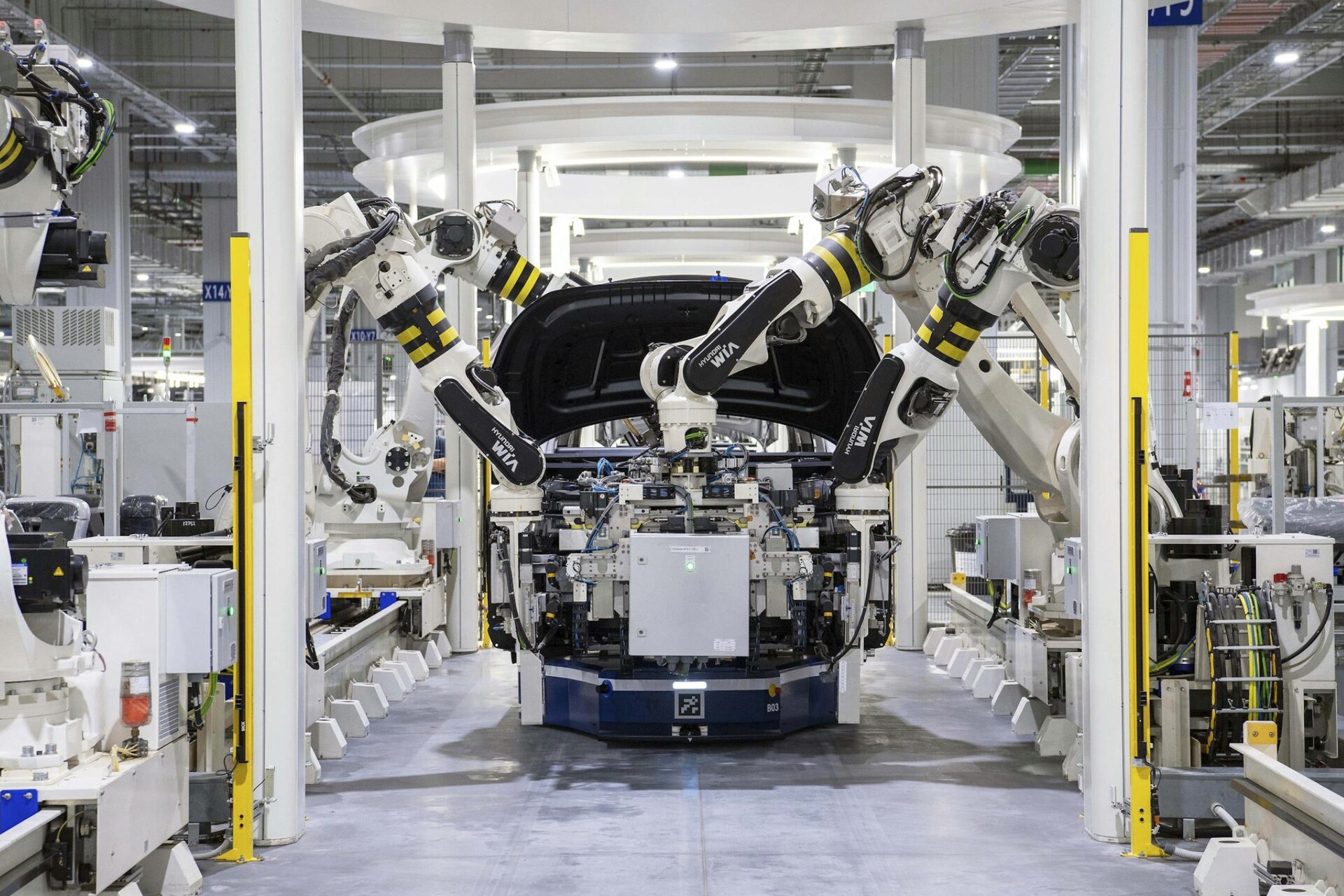
Factories are getting smarter. Decisions are not.
Ninety-two percent of manufacturers surveyed in Deloitte 2025 survey said smart manufacturing will be the main driver of competitiveness over the next three years.
Across the North, capital is flowing into automation, analytics, connected ERP systems and AI-enabled planning. Boards expect productivity gains. Customers expect responsiveness. Supply chains expect transparency. Investors expect returns.
When competitiveness depends on digital speed, structural indecision becomes expensive.
Technology is not the constraint
The world is moving fast. Automation. AI. Connected systems. It is easy to chase the shiny investment.
If the operating system underneath is weak, you do not scale performance. You scale confusion.
Installing automation without redesigning decision ownership is like increasing machine speed without upgrading the control system.
2025 research into the impact of industry 4.0 shows technologies such as predictive maintenance, real-time monitoring and automation can significantly reduce downtime and improve productivity. However, studies also highlight that the real barriers to success are organisational readiness, workforce capability and strategic planning rather than the technology itself. All of these require clear decision making and internal ownership.
Visibility is not the same as control
Manufacturers are investing heavily in live dashboards, automated scrap reporting and connected planning systems. Visibility has improved dramatically. Scrap is tracked in real time. OEE is on every screen.
Performance data is no longer the problem.
Margin and decision quality still are.
Automation exposes weak operating systems faster. If decision ownership, governance and escalation rules are unclear, technology does not fix that. It accelerates it.
I have seen this in large corporate environments such as Bentley Motors and in owner-led SMEs. The scale changes. The pattern does not.
As automation increases, so does pressure. Volume rises. Change frequency rises. If the operating system underneath is fragile, the blockers scale with it. Frustration grows. Strong engineers disengage. Margin tightens.
What the diagnostics reveal
Across recent diagnostics in manufacturing and engineering businesses, the pattern has been consistent.
Effort is strong. Commitment is strong. Pride is strong.
Outcomes are being constrained not by capability or intent, but by an operating system that has not evolved at the same pace as growth and complexity.
Planning instability. Late decisions. Information gaps between office, planning, production and quality. Leaders absorbed in routine escalation.
When information does not flow cleanly, rework increases. When planning shifts late, costs rise. When leaders are pulled into routine approvals, strategic work is squeezed. Margin erodes quietly - through delay, duplication and hesitation.
Now introduce real-time dashboards and automated reporting into that environment.
The data becomes visible at every level. Supervisors see scrap trends. Planners see bottlenecks. Quality sees deviations in real time.
Yet the same disconnect appears. The data is visible. The authority is unclear.
Routine decisions escalate because financial thresholds are undefined. High-impact commercial calls are made without clear guardrails. Risk floats across the business. Or everything is escalated to "just check".
Managers approve routine actions that should sit closer to the shop floor. Daily meetings stretch. Flow slows. Leader capacity shrinks.
At the same time, strategic decisions are sometimes made under pressure without defined escalation triggers - creating governance gaps, rework and exposure.
None of this was obvious when systems were manual and information moved slowly. It becomes unmistakable in a connected factory.
The real competitive differentiator
If 92 percent of manufacturers believe smart manufacturing will define competitiveness, the real differentiator will not be who has the most data.
It will be who has the clearest decision ownership.
Supply chains will compare digital responsiveness. Customers will expect transparency. Investors will scrutinise return on automation spend.
The North has a proud engineering heritage built on quality and reliability. The next competitive edge will depend on whether operating systems mature alongside technology.
Smart manufacturing increases speed and complexity. If the structure underneath is unclear, blockers multiply. Planning instability becomes more expensive. Escalations increase. Capability drains away when skilled people spend more time navigating ambiguity than solving problems.
This is not an argument against automation.
It is an argument for upgrading the control system at the same time.
Competitiveness will not be secured by technology alone. It will be secured by businesses that protect margin through stable planning, defined commercial guardrails, clear escalation triggers and decision ownership sitting at the right level.
Smart factories amplify whatever system already exists. If that system is disciplined, margin improves. If it is not, instability becomes digital.
Smart factories do not protect profit. Clear decision ownership does.
Invest in automation. It matters. But redesign the operating system at the same time.
Angela Hodgson is a leadership expert and founder of Ignite Improvement Ltd , helping hundreds of SMEs build high-performing teams through times of change