
British instrument maker redesigns Low D Whistle to widen accessibility
By Staff Writer • Posted in Engineering
Sound engineer David O’Hagan, who has worked with artists including The Spice Girls and Robbie Williams, has refined the Low D Whistle with a patent-pending design that makes it much easier to play
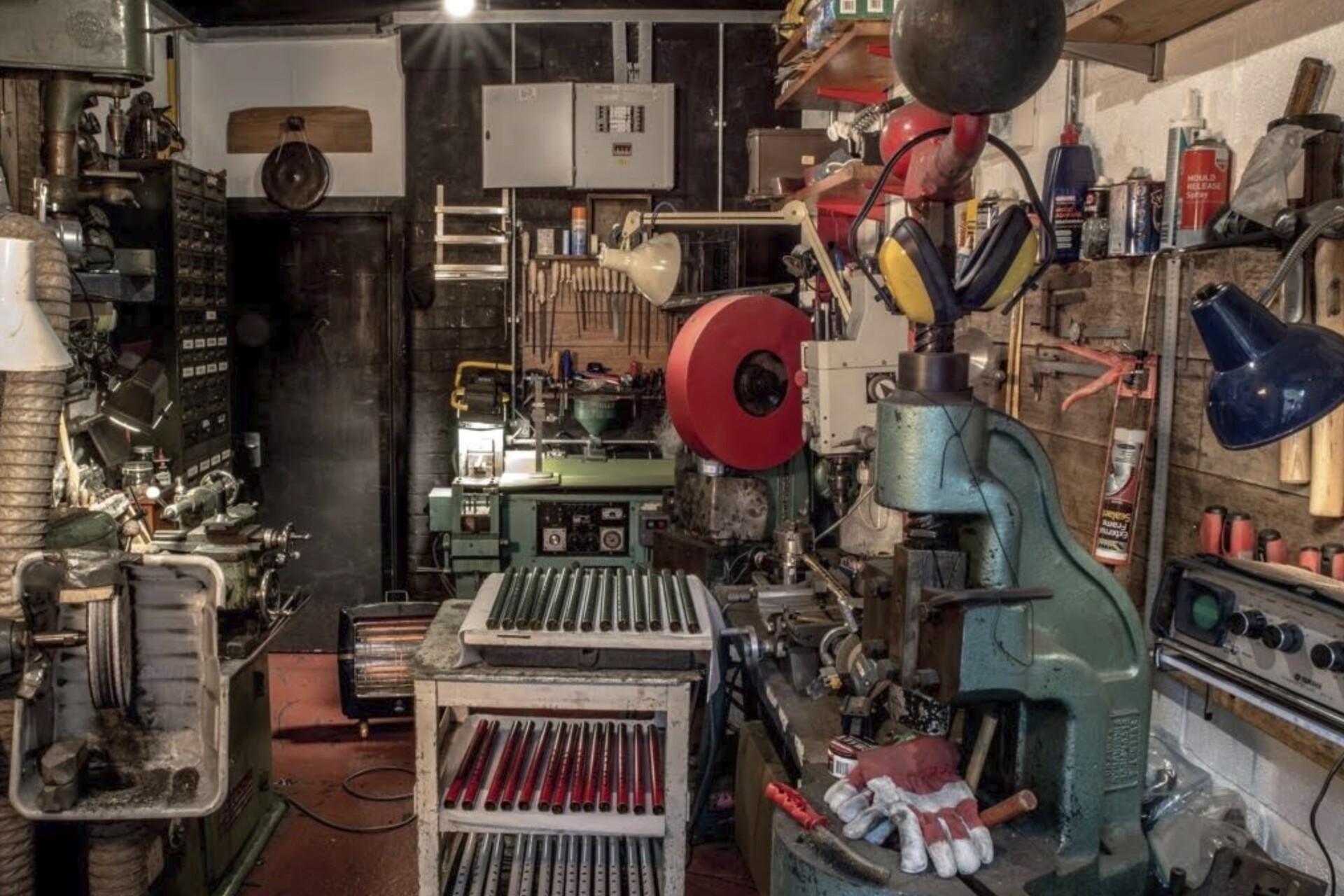
A specialist instrument maker and Made in Britain-accredited manufacturer has unveiled a patent-pending redesign of the Low D Whistle that significantly reduces the flexibility and finger reach required to play it.
Developed by David O'Hagan of Howard Whistles, the design reduces the spacing between finger holes, improving airflow efficiency and making the instrument much easier to play for people with smaller hands or reduced dexterity.
The change has the potential to significantly improve the playability and accessibility of the instrument, which many will recognise from Celine Dion’s ‘My Heart Will Go On’, the theme from Titanic.
Master craftsman at Howard Whistles, David O’Hagan, said: “This is a very exciting upgrade to the Low D Whistle. It has been a challenging task to ensure that the easy-reach version of this hauntingly beautiful instrument is able to be played by a far wider range of players without compromising the rich, resonant tone for which they are renowned.
“The new design reduces the space between the tone holes, meaning that players who perhaps have smaller hands or struggle with full finger extension can much more easily cover the holes. I genuinely think this is a game-changing redesign as it can be produced more cost-effectively than other designs - it has the potential to effectively double the playability of this traditional folk instrument.”
The redesign marks Howard Whistles' first major innovation since joining Made in Britain, the official non-profit organisation championing British-made goods and manufacturing, and continues a manufacturing tradition first established in 1974 by Brian Howard.
Originally crafted in Kilkenny, Ireland, before being brought to Sheffield, Brian’s precision-engineered Low D Whistles became internationally respected among traditional musicians.
After apprenticing under Howard and training with specialist instrument makers in Brazil and engineers in Switzerland, O'Hagan went on to combine instrument making with decades of recording studio experience, producing music and modifying electronics to improve sound quality.
Earlier in his career, he worked as a sound engineer for artists including the Spice Girls, Robbie Williams and Richard Hawley. That combination of music production, sound engineering and hand craftsmanship has now contributed to the latest refinement of the instrument.
The redesign could significantly increase the number of people able to play the whistle comfortably, including budding young musicians, less dextrous players and people with other physical limitations.
The patent centres on an innovative method of changing the spacing between the tone holes through the use of acoustic modifiers. The design uses inserts to modify the pitch while preserving the distinctive tone of the Low D Whistle, overcoming solutions that have previously proved difficult to manufacture.
Speaking of his decision to join the growing community of manufacturers united under the official Made in Britain accreditation, David said: “ I export all around the world, the main markets being the USA, Europe, Canada and Australia and I think the trademark really increases the credibility and international reach of Howard Whistles in the global trade market. I joined Made in Britain to really underline that every instrument we create is entirely hand-crafted in Britain.”
John Pearce, CEO of Made in Britain, said: “Howard Whistles strikes exactly the right note for the good growth of British manufacturing. It combines decades of specialist craftsmanship with thoughtful engineering to make a much-loved traditional instrument accessible to more people without compromising its character.
“That balance of heritage and innovation is something British manufacturers excel at, and it's why the Made in Britain trademark continues to resonate with customers looking for quality and authenticity around the world."
More than 2,250 manufacturers now use the Made in Britain trademark. The organisation is calling for greater visibility and promotion of British manufacturing across retail environments, helping consumers support the long-term economic growth of domestic and heritage products.
For more information on the Made in Britain campaign, visit www.madeinbritain.org.